

NHS Eye Care Service in Coventry: Free Eye Tests, Eye Specialists & Emergency Eye Care
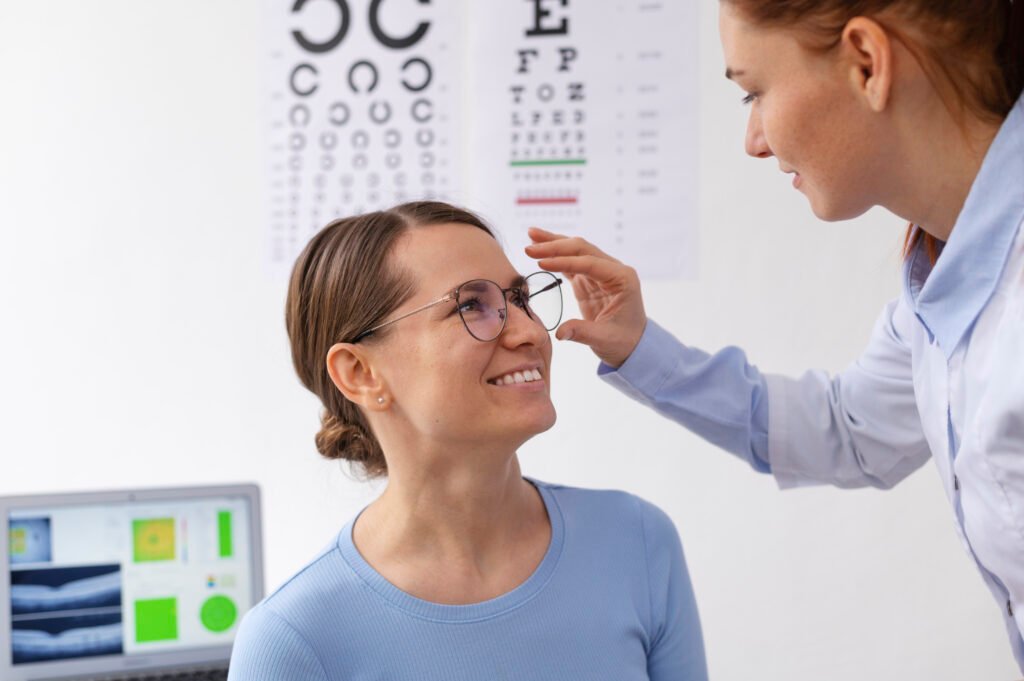
Maintaining optimal vision is a cornerstone of overall health, yet many residents across Coventry often feel uncertain about how to access the correct clinical support when vision issues arise. Whether you are experiencing a sudden change in sight, dealing with persistent irritation, or simply need a routine eye health checkup, understanding the landscape of the NHS Eye Care Service in Coventry is essential. At Doctors Coventry, also known as Cheylesmore Surgery, we are committed to ensuring our patient community has direct access to high-quality ophthalmic support. This guide provides a comprehensive deep dive into the available services, from free routine examinations to urgent interventions for acute conditions. By leveraging the local network of community optometrists and specialised hospital units, patients can receive the right care at the right time, often without the need for a traditional GP referral. Our goal is to empower you with the knowledge to navigate these services efficiently, ensuring that your eye health is never compromised by administrative confusion or delays in seeking medical attention.
NHS Eye Care in Coventry
- Self-Referral Convenience: Patients aged 3 and over can access the Community Urgent Eyecare Service (CUES) directly via participating local eye specialists.
- Comprehensive Coverage: The minor eye conditions services cover a wide range of issues including red eyes, dry eye, and sudden flashes or floaters.
- Financial Support: Many residents qualify for a free eye examination in Coventry and NHS optical vouchers based on age, income, or medical history.
- Emergency Routing: Major sight-threatening emergencies are managed through the specialised emergency eye clinic in coventry at University Hospital in Coventry & Warwickshire (UHCW).
- Localised Expertise: Specialist support is available at our eye specialist clinic in Cheylesmore, providing convenient access for the local community.
Minor Eye Conditions Covered Under NHS in Coventry Service
We look at the scope of the Community Urgent Eyecare Service (CUES) and how it serves the diverse population of the Coventry City Centre and surrounding districts.
The Role of Minor Eye Conditions Services in Community Health
The NHS Eye Care Service provided in our region is designed to act as a first port of call for various ocular symptoms that do not require an accident and emergency department but do need professional clinical assessment. These minor eye conditions services are delivered by accredited optometrists who have the specialist equipment and training to diagnose issues that a general practitioner might not be able to identify with standard tools. For patients in Coventry, this means you can often be seen within 48 hours for issues that are causing discomfort or concern. Approximately 80% of sight loss is avoidable through early detection, and these community services play a vital role in that preventative strategy. By visiting a local optometrist, you receive a targeted assessment that focuses specifically on the acute issue you are facing, whether it is a recent onset of irritation or a change in your visual field.
- Red Eye and Inflammation: Assessment for infections, conjunctivitis, or uveitis that requires professional diagnosis.
- Dry Eye Syndrome: Long-term management and immediate relief strategies for gritty, sore, or excessively watery eyes.
- Eyelid Issues: Treatment for styes, cysts (chalazia), and ingrown eyelashes (trichiasis) that cause significant irritation.
- Flashers and Floaters: Urgent investigation of new symptoms that could indicate changes in the vitreous or retina.
- Foreign Body Removal: Safe extraction of small particles or debris that have entered the eye.
- Visual Disturbance: Sudden, non-permanent changes in vision that require clinical investigation.
Takeaway: The community-based minor eye services provide a rapid, professional alternative to A&E for non-sight-threatening issues, ensuring that patients receive expert care without unnecessary wait times.
Specialised Care at our Eye Specialist Clinic in Coventry
For those living near our practice, the eye specialist clinic in Coventry represents a local hub for excellence in vision care. Utilising advanced diagnostic technology, these specialists can differentiate between a simple infection and more complex underlying pathologies. When you seek a red eye treatment optician through this service, you are not just getting a prescription; you are getting a thorough eye health checkup that considers your medical history and specific symptoms. This localised approach ensures that residents of Cheylesmore and the wider Coventry area do not have to travel far to receive specialist-grade assessment. The integration between our surgery and local optical partners means that your clinical records can be updated, ensuring continuity of care across the NHS network. This synergy is particularly beneficial for elderly patients or those with mobility issues who find traveling to the Coventry City Centre difficult.
- Localised Access: Reducing travel time for residents in the CV3 area.
- Advanced Equipment: Access to slit-lamp bio-microscopy and digital retinal imaging.
- Expert Clinicians: Optometrists with additional qualifications in independent prescribing and ocular therapeutics.
- Direct Communication: Seamless reporting back to Doctors Coventry to ensure your GP is informed of your eye health status.
- Patient Education: Detailed guidance on managing chronic conditions like blepharitis at home.
- Fast-Track Referral: If a condition is found to be serious, these clinics have direct pathways to hospital ophthalmologists.
Takeaway: By choosing a local specialist, patients benefit from a personalised service that combines clinical rigour with the convenience of a neighbourhood clinic.
Free NHS Eye Tests & Eligibility Criteria in Coventry
Understanding NHS eye test eligibility is the first step in ensuring you and your family receive the preventative care necessary to maintain lifelong vision.
Understanding NHS Eye Test Eligibility and Vouchers
Eligibility for a routine NHS eye test in Coventry is determined by several factors, including age, medical status, and financial circumstances. The NHS provides these tests to ensure that financial barriers do not prevent individuals from accessing essential healthcare. For example, individuals over the age of 60, children under 16, and those aged 16-18 in full-time education are automatically entitled to a free eye examination in Coventry. Furthermore, patients with certain medical conditions, such as diabetes or glaucoma, are also covered due to the higher risk of vision complications. If you are a low-income earner or receive specific benefits like Income Support or Universal Credit, you may also be eligible for NHS optical vouchers, which help cover the cost of corrective lenses. Research indicates that regular eye tests can detect symptoms of underlying health conditions such as high blood pressure in a significant percentage of the population before other symptoms appear, making these tests a vital tool for general health surveillance.
- Age-Based Eligibility: Automatic qualification for those under 16 or over 60.
- Medical Conditions: Coverage for patients with diabetes or a family history of glaucoma.
- Income Support: Vouchers available for those on qualifying state benefits.
- Complex Lens Needs: Support for individuals who require specialised, high-prescription lenses.
- Prisoner Leave: Eligibility for individuals on leave from prison for health reasons.
- Universal Credit: Specific criteria for those receiving modern welfare support.
Takeaway: Understanding these criteria ensures that you can claim the support you are entitled to, keeping the cost of eye health management manageable and accessible.
Provisions for Children and Home-Bound Patients
The NHS Eye Care Service extends its reach to the most vulnerable members of our community, including children and those who are unable to leave their homes. For parents, ensuring your child has a regular eye health checkup is crucial, as many vision problems can affect educational development if left untreated. Children in Coventry have access to specialised screening, often starting at the school-entry age, but parents can book a free test at any time if they have concerns. For residents who are housebound due to physical or mental disability, a home eye test NHS in Coventry can be arranged. This service brings the optometrist and their diagnostic equipment directly to the patient’s residence, ensuring that no one is excluded from high-quality vision care. This is a vital component of the inclusive healthcare model we support at Doctors Coventry, ensuring equity of access across the entire city.
- Early Intervention: Screening for amblyopia (lazy eye) and strabismus (squint) in early childhood.
- Educational Support: Correcting vision to help children excel in classroom environments.
- Domiciliary Visits: Professional eye tests conducted in the comfort of your own home for eligible patients.
- Portable Technology: Use of hand-held diagnostic tools to assess eye health outside of a traditional clinic.
- Carer Support: Coordination with family members or professional carers to facilitate the appointment.
- Prescription Delivery: Assistance with selecting and fitting frames during the home visit.
Takeaway: The flexibility of the NHS scheme ensures that whether a patient is a toddler or an elderly resident in a care home, their vision remains a priority for the local health system.
When to Seek Emergency Eye Care vs Community Optometry

Distinguishing between a minor irritation and a medical emergency is critical for preserving sight. Identifying Urgent Eye Emergencies
While many issues can be managed by local eye specialists, certain symptoms demand immediate medical intervention at a hospital. An emergency eye clinic in Coventry, specifically the one located at University Hospital in Coventry & Warwickshire (UHCW), is equipped to handle trauma and acute pathologies that could lead to permanent blindness if not treated within hours. Symptoms such as sudden, total loss of vision, severe ocular pain accompanied by nausea, or a penetrating injury to the eye globe are absolute emergencies. In these instances, you should not wait for an urgent optician appointment but should instead proceed directly to the Eye Casualty department or call 999. Timely intervention in cases of retinal detachment or acute angle-closure glaucoma is the difference between saving and losing sight. Our team at Doctors Coventry advises all patients to be aware of these “red flag” symptoms to ensure they do not delay in seeking life-saving eye care.
- Sudden Vision Loss: Any unexplained, rapid decrease in sight in one or both eyes.
- Chemical Splashes: Immediate need for professional irrigation and assessment after exposure to irritants.
- Penetrating Trauma: Any physical injury where an object has entered the eye.
- Severe Pain: Intense aching or sharp pain that is not relieved by standard over-the-counter medication.
- New Shadows or Curtains: Signs that may indicate a retinal tear or detachment.
- Severe Swelling: Inflammation that prevents the eye from opening or is accompanied by a fever.
Takeaway: Recognising these emergencies ensures that the most intensive NHS resources are reserved for those in the greatest need, while also protecting your long-term visual health.
Accessing Eye Injury Support in Coventry
For injuries that are painful but not necessarily sight-threatening, such as a scratched cornea (abrasion) or a minor blunt impact, eye injury support in Coventry can often be initiated through the CUES pathway. An ophthalmologist in Coventry working within a community setting can often assess these injuries, provide antibiotic drops to prevent infection, and monitor the healing process. This system alleviates the pressure on hospital emergency departments. However, if the injury involves persistent bleeding, visible changes to the shape of the pupil, or if vision remains significantly blurred after the initial impact, a referral to the emergency eye care in Coventry hospital services will be made. It is always better to be assessed and told a condition is minor than to ignore a potentially serious injury. If you are unsure of the severity, you can Contact Us for administrative guidance on which local service is currently best placed to help you.
- Corneal Abrasions: Expert staining and assessment of surface scratches.
- Subconjunctival Hemorrhage: Reassurance and diagnosis of broken blood vessels in the white of the eye.
- Welder’s Flash: Treatment for UV burns to the surface of the eye.
- Blunt Trauma Monitoring: Checking for internal pressure changes after a blow to the face.
- Urgent Prescriptions: Access to medicated drops that are not available over-the-counter.
- Follow-up Care: Scheduled checks to ensure an injury is resolving as expected without complications.
Takeaway: By utilising the community optometry network for non-catastrophic injuries, patients receive specialised attention in a calmer, more accessible environment than a busy A&E waiting room.
Coventry Eye Care Routing: Minor Eye Issues vs. Medical Emergency
The following guide helps patients in Coventry determine the correct clinical pathway based on their symptoms. Please use this as a reference to decide whether to book a community appointment or head to the hospital.
Routing Guide: Symptoms and Providers
- Symptom: Red, itchy, or gritty eyes. Triage: Minor. Provider: Community Optometrist (CUES). Action: Call a local optician for a same-day or next-day assessment.
- Symptom: Gradual blurred vision over months. Triage: Routine. Provider: Local Optician. Action: Book a standard NHS eye test in Coventry.
- Symptom: Sudden flashes of light or new dark spots. Triage: Urgent. Provider: Community Optometrist (CUES). Action: Request an urgent optician appointment immediately.
- Symptom: Severe pain with nausea/vomiting. Triage: Emergency. Provider: UHCW Emergency Eye Clinic. Action: Attend Eye Casualty immediately or call 999.
- Symptom: Foreign object stuck in the eye. Triage: Urgent/Emergency. Provider: Community Optician or A&E. Action: Contact CUES first; if unavailable, attend A&E.
- Symptom: Chemical burn to the eye. Triage: Emergency. Provider: UHCW Emergency Eye Clinic. Action: Flush with water and attend A&E immediately.
Takeaway: This routing ensures that every patient in Coventry receives the appropriate level of expertise for their specific ocular condition.
Diabetic Eye Screening NHS in Coventry
For patients living with diabetes, eye care is not just a recommendation; it is a critical part of managing their condition.
The Importance of Annual Screening
Diabetes is a leading cause of preventable blindness in the UK. High blood sugar levels can damage the tiny blood vessels in the retina, leading to a condition known as diabetic retinopathy. Because this condition often has no symptoms in its early stages, the diabetic eye screening NHS in Coventry is a mandatory annual check for all diabetic patients aged 12 and over. This screening is separate from your routine eye test and involves taking high-resolution photographs of the back of the eye. These images are then reviewed by specialists to look for early signs of damage. If caught early, treatment such as laser therapy or injections can prevent further vision loss. At Doctors Coventry, we work closely with the national screening program to ensure all our registered diabetic patients are invited for their annual checkup. If you have recently moved to the area, please register with our surgery to ensure you are included in these vital health call-ups.
- Early Detection: Identifying retinopathy before it affects your vision.
- Specialised Photography: Non-invasive digital imaging of the retina.
- Annual Cycles: Routine checks ensure that any changes are caught within 12 months.
- Result Integration: Your screening results are shared with your GP to assist in overall diabetes management.
- Prevention Focus: Screening reduces the risk of blindness by up to 90% when combined with good blood sugar control.
- Accessible Locations: Screening clinics are held at various community sites across Coventry and at UHCW.
Takeaway: Participating in this screening program is one of the most proactive steps a person with diabetes can take to protect their long-term independence and quality of life.
What to Expect During Your Screening Appointment
A diabetic screening appointment is straightforward and usually takes about 30 minutes. During the appointment, you may be given eye drops to make your pupils larger (dilate them), which allows the camera to get a clearer view of the retina. These drops can make your vision blurry for a few hours and make you more sensitive to light, so it is advised not to drive to or from the appointment. The photographer will take several images, which are then sent to a central hub for clinical grading. You will typically receive a letter with your results within three weeks. If the screening shows significant changes, you will be referred to a specialist ophthalmologist in Coventry for further diagnostic tests or treatment. This systematic approach ensures that every diabetic resident in the Coventry City Centre and beyond has a safety net for their vision.
- Pupil Dilation: Use of drops to enhance the view of the internal eye structures.
- Digital Imaging: A painless process involving a flash of light while photos are taken.
- Expert Grading: Multiple levels of review to ensure accuracy in the findings.
- Clear Communication: Written results sent to both the patient and the GP.
- Pathway to Treatment: Automatic referral to hospital eye services if issues are detected.
- Patient Guidance: Advice on managing lifestyle factors to support retinal health.
Takeaway: By attending these appointments faithfully, you ensure that any ocular complications of diabetes are managed with the highest level of clinical expertise available in the NHS.
Step-by-Step Clinical Guidance Protocol in Coventry Patients
If you are experiencing eye problems, following this clinical pathway ensures you access the correct service without delay. This protocol is designed to streamline the patient journey from the first symptom to successful treatment.
- Symptom Identification: Note the nature of your symptoms (e.g., pain, vision loss, redness) and whether they are in one or both eyes.
- Triage Determination: Use the routing guide to decide if your issue is a minor condition (CUES) or a hospital emergency (Eye Casualty).
- Service Contact: For minor issues, contact a participating optometrist in Coventry directly. You do not need to call your GP surgery first.
- Clinical Assessment: Attend your appointment for a thorough examination, which may include physical inspection, vision tests, and internal imaging.
- Diagnosis and Treatment: The optometrist will explain the issue and provide treatment, which may include prescriptions or advice on self-care.
- Follow-up or Escalation: If the condition does not improve or is found to be serious, the optometrist will arrange a referral to a specialist hospital clinic.
Takeaway: Following these steps ensures that the NHS Eye Care Service in Coventry operates efficiently, providing you with rapid access to the most appropriate clinical specialists.
Practical Daily Eye Health & Prevention Tips
While the NHS provides excellent reactive care, preventative measures are equally important. Incorporating these simple habits into your daily routine can significantly reduce the risk of eye strain and long-term vision issues.
- The 20-20-20 Rule: To combat digital eye strain, every 20 minutes, look at something 20 feet away for at least 20 seconds. This helps the focusing muscles in the eye to relax.
- UV Protection: Always wear sunglasses with a CE mark or British Standard to protect your eyes from harmful ultraviolet radiation, which can contribute to cataracts and macular degeneration.
- Maintain Eye Hygiene: If you suffer from dry eyes or blepharitis, use warm compresses and lid wipes daily to keep the oil glands in your eyelids functioning correctly.
- Nutritional Support: A diet rich in leafy greens, oily fish, and colourful vegetables provides antioxidants like lutein and zeaxanthin that support retinal health.
- Regular Biennial Checks: Attend an NHS eye test in Coventry at least every two years, even if you think your vision is perfect, as many conditions are asymptomatic in their early stages.
Takeaway: By taking these proactive steps, you contribute to your own ocular wellness and ensure that any changes in your vision are detected at the earliest possible stage.
Frequently Asked Questions
Do I need a GP referral for the NHS Eye Care Service in Coventry?
No, you do not need a GP referral for most community eye services in Coventry. Patients aged 3 and over can self-refer to the Community Urgent Eyecare Service (CUES) by contacting a participating local optician directly for an assessment of minor or recent eye conditions.
Who qualifies for a free NHS eye test in Coventry?
Eligibility for a free eye examination in Coventry is broad. It includes those under 16 or over 60, full-time students aged 16-18, individuals with diabetes or glaucoma, those over 40 with a close relative who has glaucoma, and individuals receiving certain low-income benefits.
Where do I go for urgent eye emergencies in Coventry?
For sight-threatening emergencies such as sudden vision loss or chemical injuries, you should go to the emergency eye clinic in coventry located at University Hospital Coventry & Warwickshire (UHCW). For non-emergency but urgent issues like red eyes, contact a local CUES-accredited optician.
Can children under 5 get their eyes checked under the NHS in Coventry scheme?
Yes, children under 5 can have their eyes checked. While many are screened as they start school, parents can book an NHS eye test in Coventry at any participating optician if they have concerns about a child’s vision, squint, or eye coordination at any age.
What eye conditions can a local in Coventry optometrist treat under the NHS?
Local optometrists can treat various conditions through the minor eye conditions services, including red eye treatment optician services, dry eye, gritty eyes, ingrown eyelashes, and sudden onset of flashes or floaters. They can also provide prescriptions for necessary medications like antibiotic drops.
Access NHS Eye Care Services & Medical Support in Coventry
At Doctors Coventry, based at the Cheylesmore Surgery, we are proud to support the health and wellbeing of our local residents. While we are a primary medical facility, we recognise that eye health is a specialised field that often requires the unique tools and training of our colleagues in optometry. By working within the integrated NHS Eye Care Service in Coventry, we ensure our patients are linked with local eye specialists and receive the best possible outcomes. Whether you need to register for our general medical services or require guidance on accessing an urgent eye clinic in Coventry, our team is here to help. We encourage all residents to stay proactive with their eye health check up schedules and to utilise the excellent community resources available across the city. For more information on our services or to join our patient list, please visit our website at doctorscoventry.co.uk or contact the Cheylesmore Surgery directly. Your vision is a precious asset; let us work together to protect it for years to come.